Why the Low Season is the Best-Kept Secret in Safari Travel
For many travelers, the word Safari conjures images of dusty plains and a scorching sun. But there is a different side to East Africa, one that is lush, intimate, and deeply rewarding. While the peak months of July and August draw the largest crowds to Uganda, those in the know are increasingly turning their eyes toward the low season months of April, May, and November.
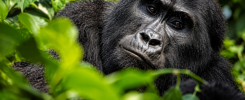
Choosing to travel during these periods isn’t just a budget-conscious move; it is a vote for sustainable tourism and a ticket to a more exclusive experience. If you’ve been dreaming of a face-to-face encounter with a mountain gorilla or exploring the misty heights of the Rwenzori Mountains, here is why low season travel to Uganda is absolutely worth it.
Promotes Sustainable Tourism
Beyond the personal benefits of travel, visiting Uganda during the off-peak months has a profound impact on the ground. When tourism is concentrated into just a few months, it creates a boom or bust economy that can be hard on local communities and conservation efforts. By spreading visitors throughout the year, tourism revenue reaches local guides, lodge staff, and artisans more consistently. This year-round income provides financial stability for families who rely on the tourism value chain.
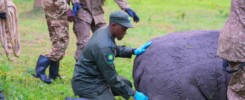
Wildlife protection doesn’t take a holiday. Anti-poaching patrols and habitat restoration require funding every single day. Traveling in the low season ensures that the Uganda Wildlife Authority (UWA) has the resources needed to keep conservation efforts active 365 days a year.
Peak months can put significant stress on popular trails and wildlife habitats. By opting for a low-season departure, you help reduce the footprint on fragile ecosystems, contributing to a healthier and more resilient tourism environment.
Discounted Permits
One of the most compelling reasons to book an April, May, or November departure is the significant reduction in permit costs. For many, gorilla trekking is a bucket list item that can be financially daunting. The low season makes this once-in-a-lifetime experience far more accessible. The UWA currently offers the following discounted rates for low season permits:
Activity Regular Rate Low Season Rate Savings
Gorilla Tracking $800 $600 $200
Chimpanzee Tracking $250 $200 $50
For a couple or a family, these savings add up quickly, allowing you to perhaps extend your stay by a few days or upgrade your lodge experience.
Beautiful lush green Landscapes
There is a reason Uganda is known as the “Pearl of Africa,” and that beauty is most vibrant during the low season (which coincides with the rainy seasons). The rains transform the landscape into a vivid, photographic paradise. The dust of the dry season is washed away, leaving behind a palette of deep greens that make the colors of the indigenous birds and flowers pop.
For those visiting Murchison Falls or Sipi Falls, the low season is the time to see nature’s raw power. Increased water volume means the Nile squeezes through the narrow gorge with even more ferocity, creating a spectacle that is truly humbling.
The air is crisp and clear, free from the haze of the dry season. The dramatic clouds often lead to breathtaking sunsets, and the soft light after a rain shower is a gift for any photographer.
An Intimate Wildlife Experience
A common misconception is that wildlife is harder to see during the wet months. While the vegetation is thicker, the experience often feels more authentic and private. In the low season, you aren’t just another tourist in a line of Land Cruisers. You are a guest of the wilderness. Because there are fewer travelers, you often have animal sightings all to yourself. Imagine watching a pride of lions in Queen Elizabeth National Park or a family of elephants at a watering hole without the hum of five other engines nearby.
Furthermore, food is more abundant for the animals, which can lead to fascinating behavioral displays and a very active birdlife population
Seamless Logistics and Luxury for Less
During peak season, the most coveted lodges in Bwindi Impenetrable Forest or Kibale National Park can be booked out over a year in advance. The low season flips the script. You have a much better chance of securing your first-choice accommodation. Whether it’s a luxury tented camp overlooking the Kazinga Channel or a cozy eco-lodge nestled in the rainforest, the “sold out” signs are few and far between.
With fewer guests to attend to, lodge staff can provide a level of personalized service that is hard to match during the rush of July. You’ll enjoy quieter dining rooms, more flexible schedules, and the undivided attention of the country’s world-class guides. Because you aren’t racing to beat the crowds to the next checkpoint, your entire journey can take on a more relaxed, soulful pace.
Is it really Rainy?
Low season usually means more rain, but in Uganda, this rarely means it rains all day. Most showers are tropical; short, sharp, and intense, followed by beautiful sunshine. The paths can be a bit more slippery, and the trekking might be slightly more adventurous, but that only adds to the sense of accomplishment when you finally lock eyes with a Silverback.
Uganda is an extraordinary destination all year round, but there is a special magic to be found in the quieter months. By traveling in April, May, or November, you get to experience the raw, lush beauty of the country while contributing directly to the sustainability of its people and wildlife. With lower costs, fewer crowds, and a more intimate connection to nature, the low season isn’t just a budget option, it’s arguably the most sophisticated way to experience the Pearl of Africa.